The products available on Element Vape are age-restricted and intended
for adults of legal smoking age only. All orders placed on the website will
be verified by an industry leading Age Verification software for validation.
By entering our website, you affirm that you are of legal smoking age in your
jurisdication and you agree to be Age Verified.
The world of cigars can be intimidating. Standing among finely rolled tubes of tobacco, surrounded by a myriad of brands and head-scratching vernacular, it’s easy for a newcomer to feel overwhelmed—before they even accidentally inhale their first puff. (Pro tip: you don’t actually inhale cigars.)
But here’s the thing—cigars aren’t about the nicotine, the complexity, or even the image. Sure, you might look pretty badass with a cigar nub hanging from the corner of your mouth… but that’s neither here nor there.
At its core, smoking a cigar is about carving out a moment in the middle of the chaos—a deliberate pause to savor something handcrafted to please your palate. It’s about the ritual and the relaxation. That unspoken flex: “I have the time to leisurely smoke this cigar and enjoy it."
So where do you begin?
If you’ve made it this far, you’re probably curious enough to try your first cigar—but faced with literally hundreds of options, it’s tough to know what actually works for a beginner. The good news? You don’t need to know every brand or blend. You just need to know what to look for, what to avoid, and how to choose your first cigar that makes your first experience a good one—not a regret you blow out in the first puff.
Let’s break it down.
Understand What You're Getting Into
Getting into cigars can feel like stepping into a smoky, leather-clad secret society. And as a beginner, you might be wondering: What if this cigar isn’t “macho” enough? What if his cigar is bigger than mine? How do I even smoke this cigar? Why is it making me feel queasy? Why is the room spinning?
These are all totally normal questions. You’re not alone—and none of them make you any less of a cigar smoker.
First off, let’s be clear: cigars are not cigarettes or vapes. You don’t inhale the smoke. You draw it into your mouth to taste and savor it, then let it drift out. The pace is slower, more deliberate, and honestly, more enjoyable.
Second, cigars are meant to be an experience—not a performance. It’s not about who has the biggest stick in the room. It’s about choosing something that fits your taste, your time, and your comfort level.
Lastly, flavor, strength, and burn time are key. You don’t want a full-bodied nicotine bomb that knocks you out on your first try. You want something that eases you in—something smooth, flavorful, and balanced.
Take your time. Figure out what you like. You’re not here to impress anyone. You’re here to enjoy something that’s been crafted for exactly that.
Size Matters: Start Small
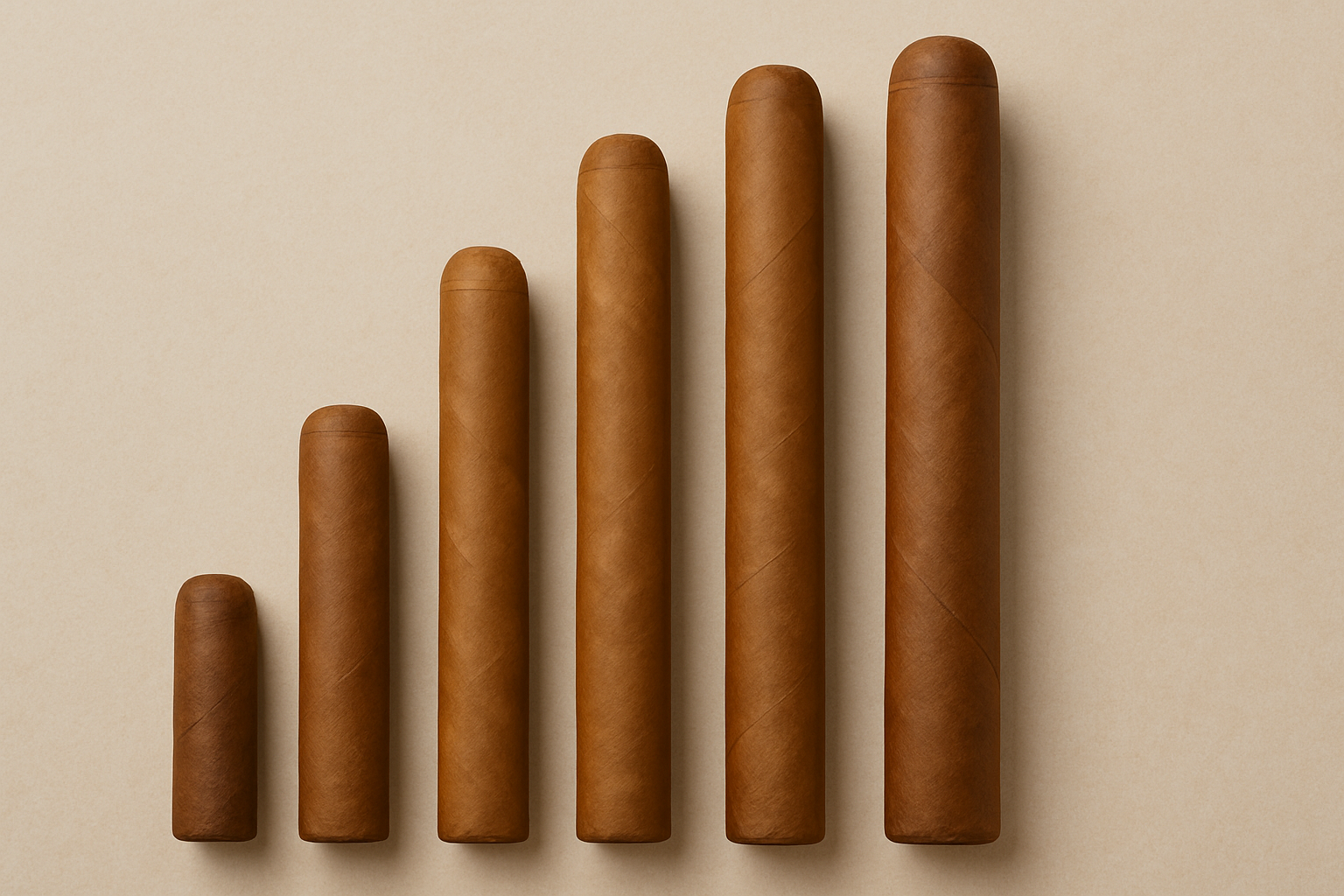
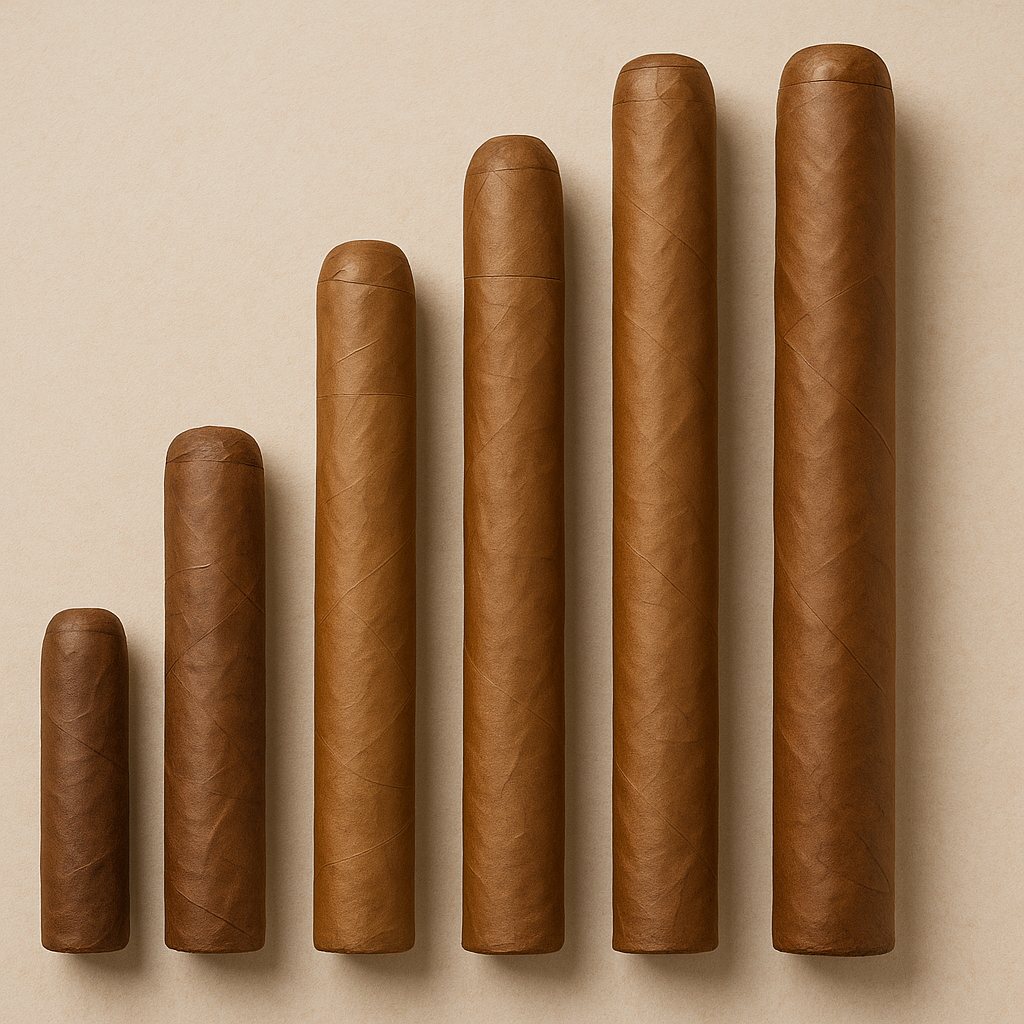
Cigars come in all shapes and sizes. For seasoned smokers, size isn’t about status—it’s about time. The vitola, which refers to a cigar’s length and thickness (a.k.a. ring gauge), tells you how long it’s going to burn—not how “serious” a smoker you are.
Sure, a big Churchill or Gordo might look cool, but if you’ve only got 30 minutes to spare, half of that cigar is going to end up wasted—or worse, you’ll try to rush through it and ruin the experience.
This is why, for beginners, size absolutely does matter. You’re not just choosing a look—you’re choosing a commitment. Cigars are finely rolled, handcrafted objects of balance, made to burn slowly and deliver flavor steadily. They deserve your attention—and your time.
A smaller, more manageable vitola gives you space to focus on pacing, flavor, and learning the ritual—without biting off more than you can chew. Vitolas affect how the cigar looks, how long it smokes, and how its flavors develop.
Hopefully, this section helps explain cigar sizes to you. Below, we’ve included a table of common vitolas and their measurements to help you find the best cigar to match your time, comfort level, and curiosity.
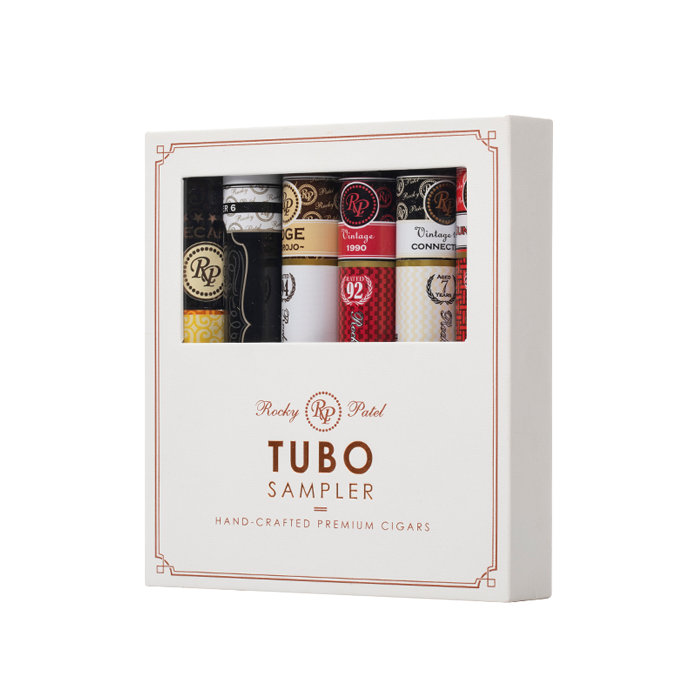
Protip: Cigarillos are great for beginners looking to develop their palate. Their smaller size and stature allows for a reduction in commitment, while allowing you to focus on taste. In addition, they tend to come in tins or packs with multiple sticks, giving more opportunities to identify and appreciate the flavors, versus a single cigar experience with no reliable way of replication.
For more information on cigar sizing, check out our guide:
Note on Brand Names:
Some cigar makers like to rename their vitolas. What one brand calls a “Toro,” another might label a “Double Robusto” or something fancier. Don’t let that throw you off—when in doubt, check the actual dimensions. A 5 x 50 cigar is still a Robusto, no matter what the label says.
Mild Cigars - The Cigar for Beginners
Starting mild might feel a little counterintuitive. We like our coffee strong, our whiskey neat, and our workouts intense. We’re trained to start strong, hit the ground running, and power through. But cigars? Cigars play by different rules.
A good cigar experience is more like an 18th-century symphony—it builds slowly, unfolds in movements, and rewards patience. Starting with something strong right out of the gate is like skipping to the final crescendo without hearing the melody. You'll likely miss the point… and probably walk away dizzy.
Mild cigars are designed to ease you in. They allow your palate to pick up flavor without getting overwhelmed by nicotine. You can actually taste the notes—creamy, nutty, woody—without your head spinning after three puffs.
One of the most prized characteristics of a good cigar is in it's nuanced flavors. Much like beer or whiskey, two cigars can look nearly identical on the outside but offer completely different tasting experiences once lit.
And just like that first sip of a strong IPA or a peaty Scotch, your first cigar might not blow your mind right away. In fact, it might confuse you—or even put you off—if you dive into something too bold too early. Flavor appreciation doesn’t happen overnight. It’s something you develop, one smoke at a time, as your palate gets used to the nuances.
That’s why starting with mellow, flavor-forward cigars is key. You want to taste something—not get slapped in the face with raw nicotine or overpowering spice. Look for cigars with creamy, nutty, woody, or subtly sweet notes. These are far more accessible and enjoyable when you’re new.
Hopefully, this helps you find a cigar you can enjoy—or at least tolerate. But if you happen to land on a cigar that really speaks to your palate, consider buying a box of cigars. Not only is it more cost-effective than buying singles, but it also gives you a chance to experience how those particular cigars age and evolve over time, developing deeper or smoother flavors with rest.
Protip: Flavorwheels and cigar journals help immensely with identifying cigar flavor profiles and tracking your journey. With so many different flavors within cigars, it can be difficult translating the flavors experienced by the tongue into words.
Flavor Note
Tastes Like
Creamy
Warm milk, butter, or café au lait
Nutty
Almonds, cashews, peanut shells
Woody
Cedar, oak, toasted wood
Sweet
Natural sugar, honey, hay
Earthy
Soil, leather, barnwood, cocoa husk
Thinking About Flavored Cigars?
If you're unsure about traditional tobacco notes, try a flavored or infused cigar. Brands like ACID by
Drew Estate
offer aromatic blends infused with herbs, coffee, and botanicals. These cigars are smoother, sweeter, and often easier for first-timers to enjoy—though they’re definitely not for purists.
Choosing your first cigar isn’t about proving anything—it’s about starting something personal. Cigar smoking is a ritual, not a race. It’s not about having the biggest vitola in the room or rattling off obscure brand names. It’s about you, your time, your taste, and your own cigar ritual.
Start small. Literally. Smaller vitolas let you explore flavors, refine your preferences, and avoid the pressure of an hour-long commitment you weren’t ready for. Keep notes. Seriously—start a cigar journal. Track what you liked, what didn’t hit, and what made you want to light up again. Over time, you’ll develop a palate that’s all your own.
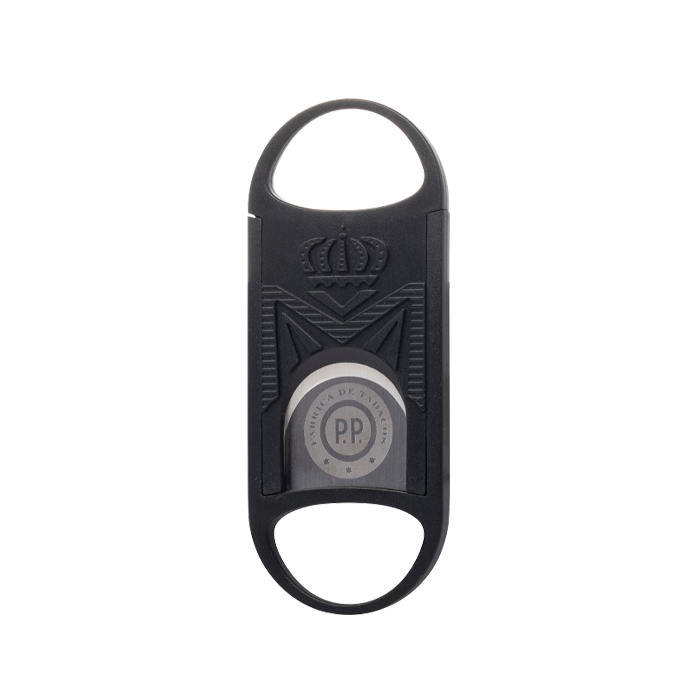
And once you’ve chosen your first cigar, the next step is learning how to cut and light it the right way and with the right accessories. It’s part of the ritual, and getting it right makes the whole experience smoother.





 Uwell
Uwell RAZ
RAZ SMOK
SMOK Geek Vape
 Vaporesso
 Geek Vape
 SMOK
SMOK UWELL
UWELL

 FOGER
FOGER Lost Mary
 FASTA Vapes
 Fifty Bar
 Juice Head E-Liquid
 Pod Juice
 Monster Vape Labs
 Naked 100



 Lost THC
 Flying Monkey
 BOUTIQ
 ELF THC


 YoCan
YoCan Lookah
 Dr. Dabber
 PuffCo


 OEO
OEO NIQ
NIQ VELO
VELO MELTA
MELTA

 MJ Arsenal
 Puffco
 GRAV Labs
 EYCE
EYCE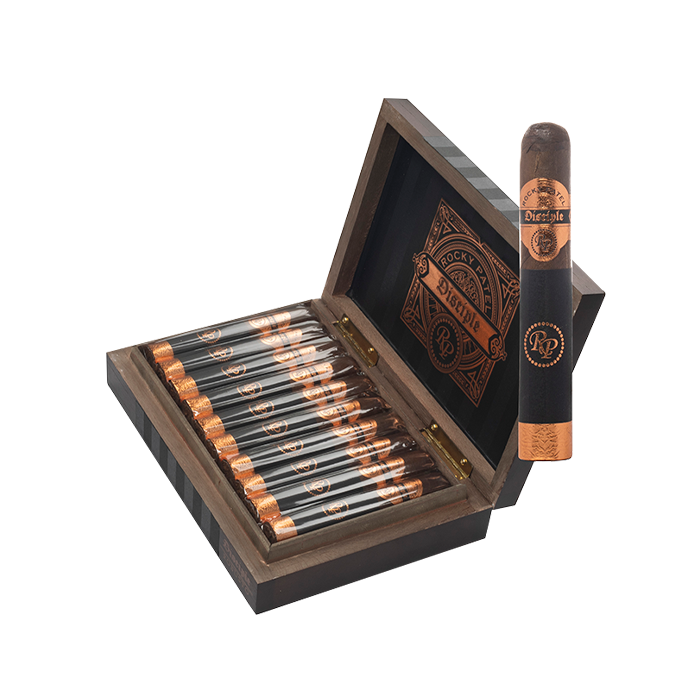
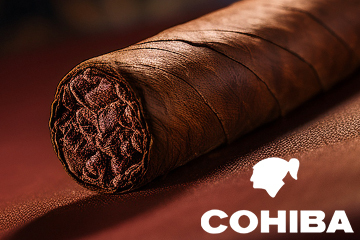 Cohiba
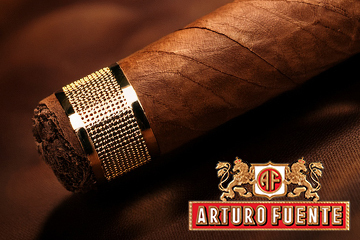 Arturo Fuente
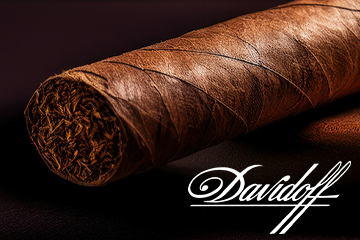 Davidoff
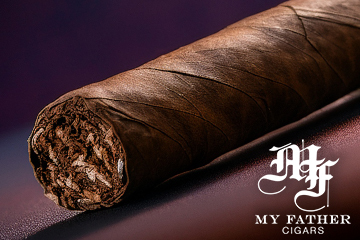 My Father
 Nitecore
 Hohm Tech
 UWELL
UWELL LUCY
LUCY