THC-P Explained: Effects, Potency & How It Compares to THC
Posted:February 02, 2023
AGE VERIFICATION
The products available on Element Vape are age-restricted and intended
for adults of legal smoking age only. All orders placed on the website will
be verified by an industry leading Age Verification software for validation.
By entering our website, you affirm that you are of legal smoking age in your
jurisdication and you agree to be Age Verified.
Cannabinoids are a fascinating group of naturally occurring compounds in the cannabis plant, each offering its own effects and potential benefits. While household names like THC and CBD have long taken center stage, ongoing research continues to uncover lesser-known cannabinoids with unique properties. Among these rare discoveries is tetrahydrocannabiphorol (THCP) — a newcomer drawing attention for its remarkable potency and intriguing possibilities. In this guide, we’ll cover everything you need to know about THCP, from its discovery and molecular structure to its potential effects, uses, and how it compares to other cannabinoids.
What is THCP?
THCP is a naturally occurring phytocannabinoid found in trace amounts in cannabis plants. Chemically, it’s very similar to THC, but with a slightly longer side chain in its molecular structure. This small difference may significantly increase how it interacts with receptors in the body.
How THCP Was Discovered
THC-P, or tetrahydrocannabiphorol, was discovered in 2019 by a team of Italian researchers who were able to isolate and synthesize the cannabinoid for in-vitro testing. Naturally occurring within hemp or cannabis plants, the Italian researchers received a medical cannabis varietal called “FM2”, provided by the Military Chemical Pharmaceutical Institute of Florence. Carefully isolated, characterized, and confirmed with synthesization, the FM2 cannabis gave way to two new cannabinoids, THC-P and CBDP. With in-vitro tests showing that THC-P had a binding affinity to the CB1 receptors, up to 33 times stronger than traditional delta-9 THC, these findings could help explain the variance in effects and why some strains with equal THC concentrations feel stronger than one another. Just like many of the other alternative cannabinoids, many are wondering if tetrahydrocannabiphorol can be applied to the recreational or medical fields of cannabis use.
Potential Effects of THCP
With 7 carbon atoms on the alkyl side chain versus the 5 on delta-9 THC, scientists suspect the elongated tail is the potential cause for the high binding affinity. Keep in mind, binding affinity does not necessarily equate to strength of effects, but it does point in that direction. Those that have tried THCP have anecdotally reported that the effects of THCP and delta-9 THC are very similar, with THCP being more pronounced. This encompasses the alleged positive effects like euphoria, relaxation, nausea relief, but also may magnify the side effects like dry mouth, paranoia, and anxiety. As THC-P is relatively new, there is very little-to-no research on this cannabinoid. Found in less than 1% concentrations within hemp and cannabis plants, THCP must be made artificially, just like delta-8, THC-V, and other alt-cannabinoids that have appeared in recent years.
THCP Product Recommendations
Some products that we carry on our online vape shop contain THC-P. Mainly found in blends, THC-P’s potential strength alone can be uncomfortably intense for users.
Delta Extrax Platinum Delta 8 + THCP Cartridge
One product we carry is the Delta Extrax Platinum Delta-8 + THC-P Cartridge. This 1 gram 510 vape cartridge is filled with delta 8 ,THC-P, and terpenes to create a complementary blend that may aid in relaxation, creativity, and more. Perfect for those that do not like disposable vape pens, this cartridge can be screwed onto a 510 battery for immediate enjoyment.
Ghost Hemp THC-P Live Resin Disposable 2G
Another similar blend comes from the Ghost Hemp THC-P Live Resin Disposable. Offering 2 grams of a delta-8, THCP, and terpene blend, this THC-P disposable utilizes live resin, meaning the hemp plants are subject to flash freezing to aid in the preservation of natural essential oils, flavonoids, and terpenes from the hemp plant that are responsible for the unique flavors and aromas of the cannabis or hemp plant. The frozen plant matter is kept frozen throughout the extraction process and will carry over the flavor and aromas to the finished product. This gives a more true and full-bodied flavor than distillates.
The Final Puff
We will update this blog post as more information emerges regarding THCP and its potential in the recreational and medical fields. With such a high binding affinity, that sole aspect is enough to warrant research into this new cannabinoid and its potential applications.




 Uwell
Uwell RAZ
RAZ SMOK
SMOK Geek Vape
 Vaporesso
 Geek Vape
 SMOK
SMOK UWELL
UWELL
 FOGER
FOGER Lost Mary
 FASTA Vapes
 Fifty Bar
 Juice Head E-Liquid
 Pod Juice
 Monster Vape Labs
 Naked 100

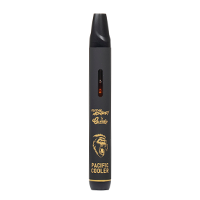

 Lost THC
 Flying Monkey
 BOUTIQ
 ELF THC


 YoCan
YoCan Lookah
 Dr. Dabber
 PuffCo
 OEO
OEO NIQ
NIQ VELO
VELO MELTA
MELTA
 MJ Arsenal
 Puffco
 GRAV Labs
 EYCE
EYCE
 Cohiba
 Arturo Fuente
 Davidoff
 My Father
 Nitecore
 Hohm Tech
 UWELL
UWELL LUCY
LUCY